Trezor Bridge: The Secure Gateway for Hardware Wallet Connectivity
Trezor Bridge is a dedicated background service that enables secure communication between your Trezor hardware wallet and your web browser. It acts as a protective gateway, ensuring that transaction data moves safely between your device and supported wallet interfaces. Designed to replace older browser extension methods, Trezor Bridge offers improved stability, enhanced security, and better compatibility with modern operating systems.
By running locally on your computer, Trezor Bridge ensures that sensitive cryptographic operations remain isolated from potential online threats while still allowing you to interact with blockchain networks efficiently.
Why Trezor Bridge Is Important
Hardware wallets such as the Trezor Model T and Trezor One are built with one primary goal: keeping private keys offline. This offline approach dramatically reduces the risk of hacks, phishing attacks, and malware infections. However, when users need to send cryptocurrency or manage their portfolios, the device must communicate with a web-based interface.
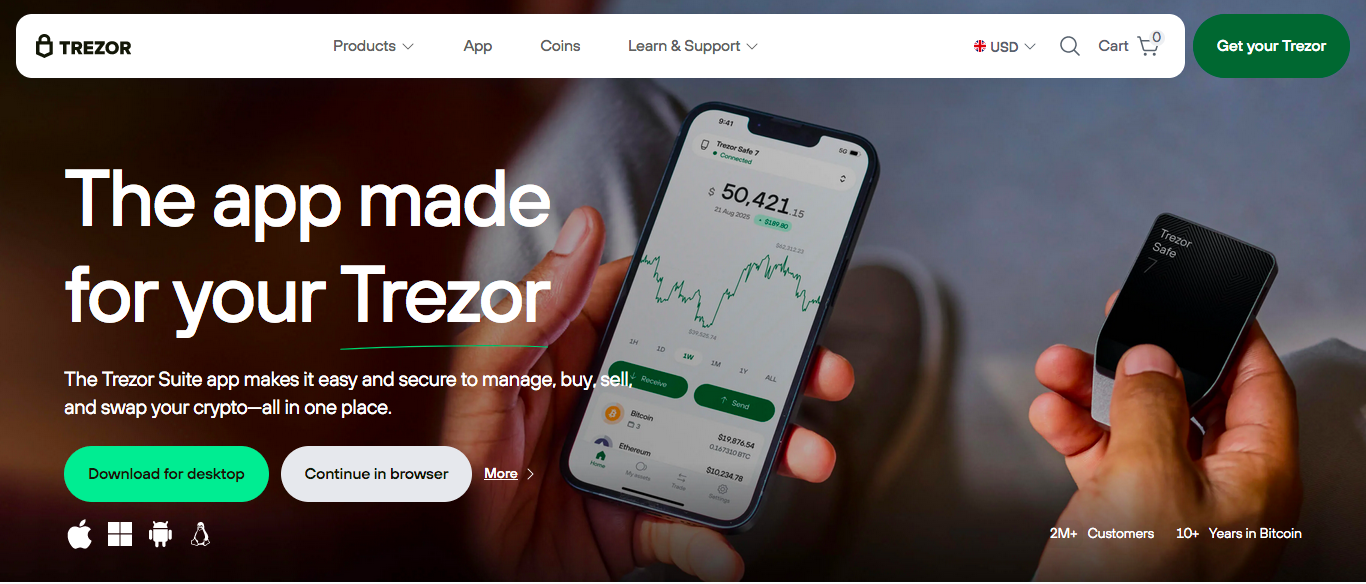
Trezor Bridge provides that communication layer securely. It integrates seamlessly with applications like Trezor Suite, ensuring encrypted interaction without exposing private keys to the browser or internet.
How Trezor Bridge Functions
Once installed, Trezor Bridge operates quietly in the background. When you connect your Trezor device via USB, the Bridge automatically detects it and establishes a secure local connection.
Here’s how a typical transaction works:
- A transaction request is initiated in a compatible wallet interface.
- The browser sends this request to Trezor Bridge.
- Trezor Bridge securely forwards it to the hardware wallet.
- You verify the details and confirm the transaction on your device screen.
- The signed transaction is returned through the Bridge and broadcast to the blockchain network.
Throughout this process, your private keys never leave the hardware wallet. The Bridge only transmits signed transaction data, maintaining full security.
Core Advantages of Trezor Bridge
Enhanced Security
By separating browser communication from device-level cryptographic operations, Trezor Bridge minimizes exposure to online vulnerabilities.
Seamless Background Operation
After installation, users rarely need to interact with the Bridge directly. It activates automatically when a Trezor device is connected.
Cross-Platform Support
The software is compatible with Windows, macOS, and Linux systems, ensuring accessibility for a wide range of users.
Reliable Browser Compatibility
Modern browsers limit direct hardware access. Trezor Bridge ensures smooth connectivity without relying on plugins or extensions.
Installation and Maintenance
Installing Trezor Bridge is straightforward. Users download the appropriate version for their operating system from the official Trezor website, complete the installation steps, and restart their browser if required. The application then runs automatically and receives periodic updates to maintain compatibility and strengthen security measures.
Conclusion
Trezor Bridge is a fundamental component of the Trezor ecosystem. It provides the secure infrastructure that allows hardware wallets to communicate safely with browser-based applications. By keeping private keys offline while enabling seamless transactions, Trezor Bridge strikes the perfect balance between usability and security.
For anyone serious about protecting digital assets, Trezor Bridge is not just an accessory—it is an essential part of safe and reliable cryptocurrency management.